
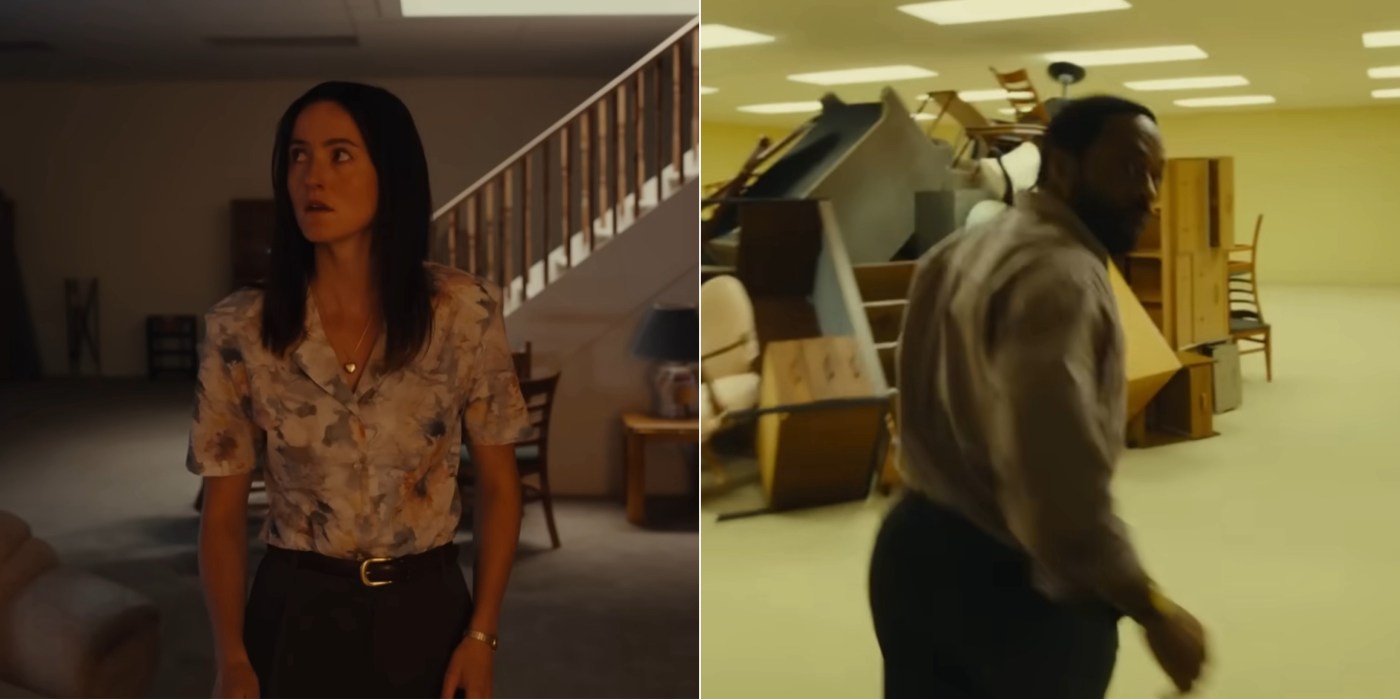
Filipinos love horror films, and it wouldn’t be a surprise if A24’s ‘Backrooms‘ becomes a phenomenon at the Philippine box office. One caveat, though, is that it focuses heavily on so-called “liminal spaces”—ordinary places that feel strangely empty, unfamiliar, or suspended between one place and another, such as vacant hallways, offices, waiting rooms, and corridors.
It is a different kind of horror experience—one that relies on mood, emptiness, and psychological tension rather than the traditional scares many Filipino horror fans are accustomed to.
This science fiction-horror film is directed by Kane Parsons. It is his first feature film and is based on the viral “Backrooms” internet horror concept that originated from his YouTube series. The film is produced by A24, Chernin Entertainment, Atomic Monster, and 21 Laps Entertainment. It is brought to the Philippines by Creazion Studios International and will be released on June 3.
‘Backrooms’ follows a therapist searching for a missing patient who is drawn into the Backrooms, a strange, endless maze of yellow-lit corridors where reality becomes unstable and time and space behave abnormally.
The endless maze of empty, yellow-tinted rooms and silent hallways creates a deeply unsettling sense of isolation. Even when nothing obviously frightening is happening, the environment itself does most of the work, building unease through its stillness and repetition.
Lead stars Renate Reinsve and Chiwetel Ejiofor do a really good job of making the fear and confusion feel believable. Their reactions to the strange situation help make the movie more intense and realistic. Even without too much dialogue, they still make the audience care about what happens to them.
What stands out is how the film chooses to focus on each character individually while also highlighting the chemistry between them. Exactly how this is done is best left for audiences to discover themselves, but it adds another layer to the experience and keeps their relationship engaging throughout the film.
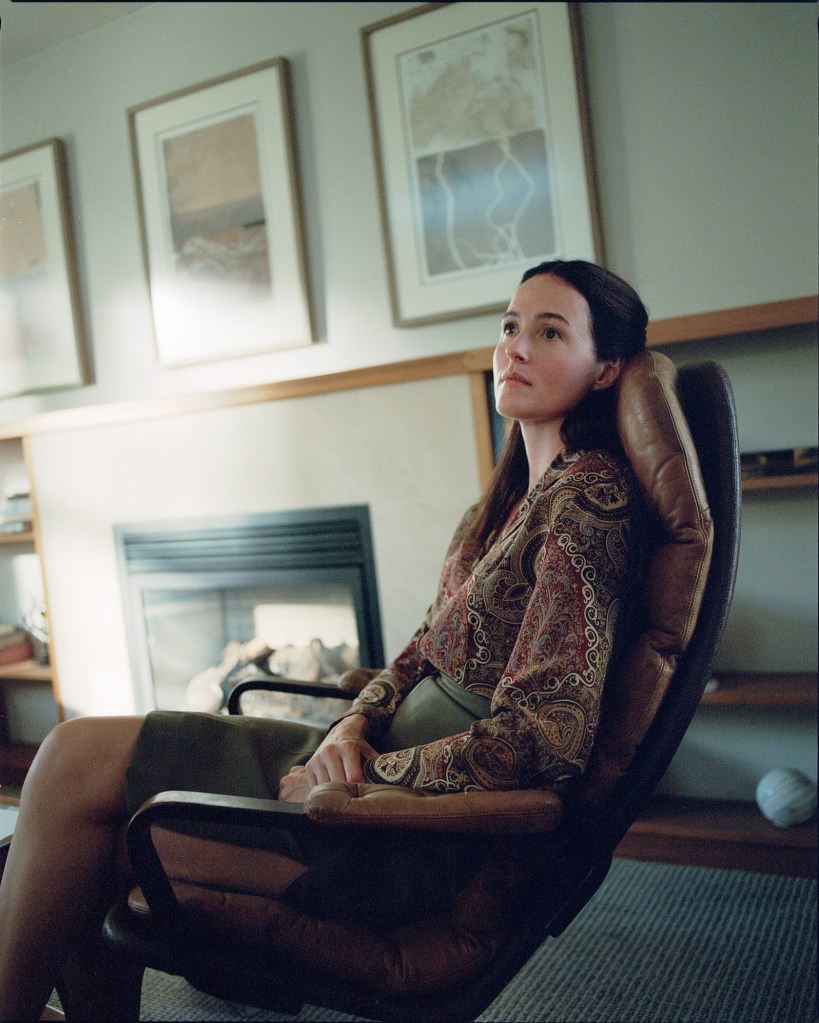
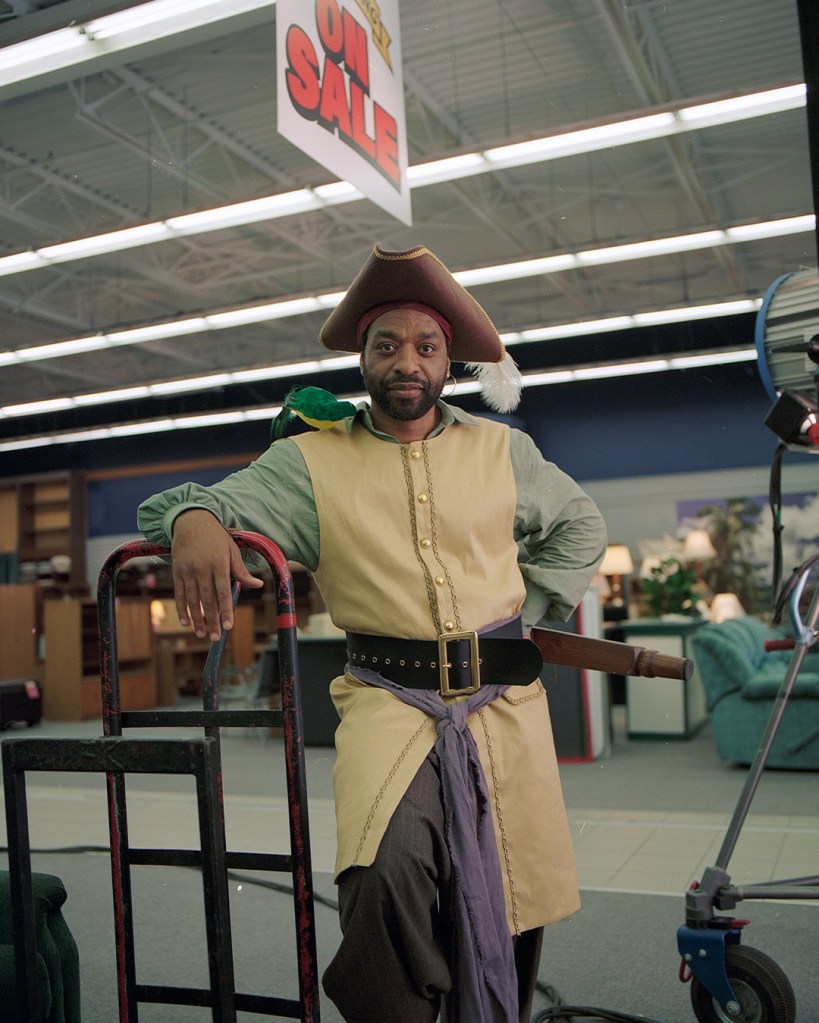
Because the movie does not rely heavily on dialogue, more weight is placed on the audience’s senses. Instead of being told how to feel, viewers are encouraged to experience the unease for themselves—seeing, hearing, and feeling what it might be like to be trapped inside an almost empty space filled with endless hallways, growing confusion, and an increasing sense that something is not quite right. The sound design and musical score blend seamlessly with the storytelling, amplifying the disorientation and tension. At times, the film feels less like a movie and more like an experience, transporting viewers into a strange dimension where familiar spaces suddenly feel alien and unsettling.
One thing the movie does really well is its cinematography. The found-footage style at times, mixed with dim lighting and awkward angles, makes the setting feel massive and unsettling at the same time. You start to feel like you’re wandering around with the characters yourself. Sometimes the camera just lingers, making the silence feel tense, like something could appear out of nowhere. Even simple hallways somehow feel unsafe and scary.
The movie’s commitment to repetition is both one of its strengths and one of its challenges. The endless hallways and seemingly identical rooms, occasionally interrupted by strange objects, unfamiliar sights, and things that do not seem to belong there, reinforce the feeling of being trapped, but there are moments when that same repetition can test the viewer’s patience.
Still, Backrooms is at its best when it allows the setting itself to become the source of fear. Rather than relying on constant jump scares, it creates dread through silence, uncertainty, and the unsettling feeling of being lost in a place that seems to stretch on forever.
The film is also highly open to interpretation. It may leave audiences with questions rather than clear answers, but that ultimately feels beside the point. What lingers most is the sense of unease it creates—the eeriness of the empty spaces, the confusion of not knowing what lies ahead, and the claustrophobic feeling of being trapped in a place that refuses to end.


Leave a Reply