
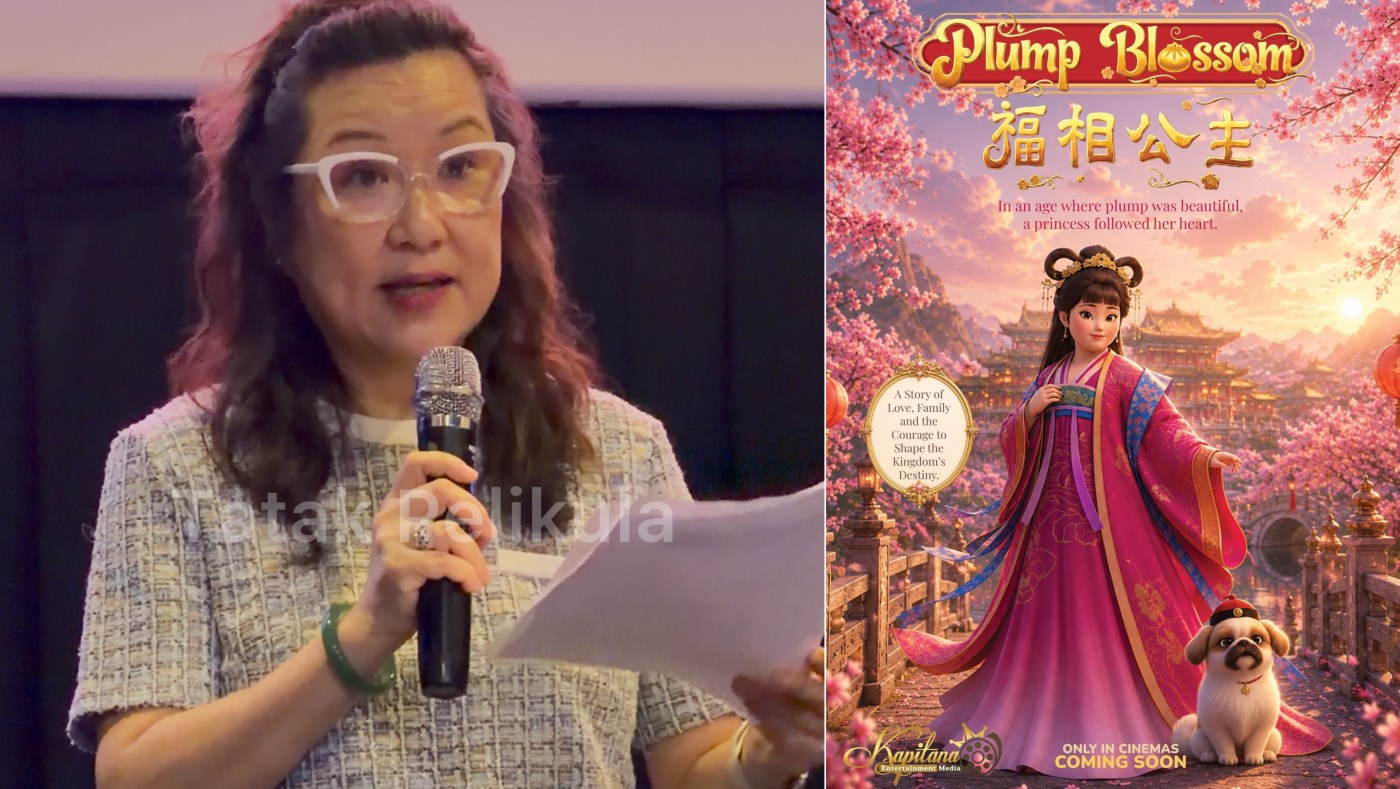
After receiving criticism online over its use of artificial intelligence (AI), Plump Blossom writer-director-producer Rossana Hwang has responded to the growing discussion surrounding the film.
Some online users have called the AI-assisted movie ‘AI slop,’ while others questioned its Chinese-inspired story despite being presented as a Filipino film.
Hwang said she understands why people may be skeptical about Plump Blossom after learning that AI was used in its production. She pointed to the growing amount of AI-generated content online, noting that while some of it can be impressive and entertaining, other content has been criticized for being repetitive or lacking meaning.
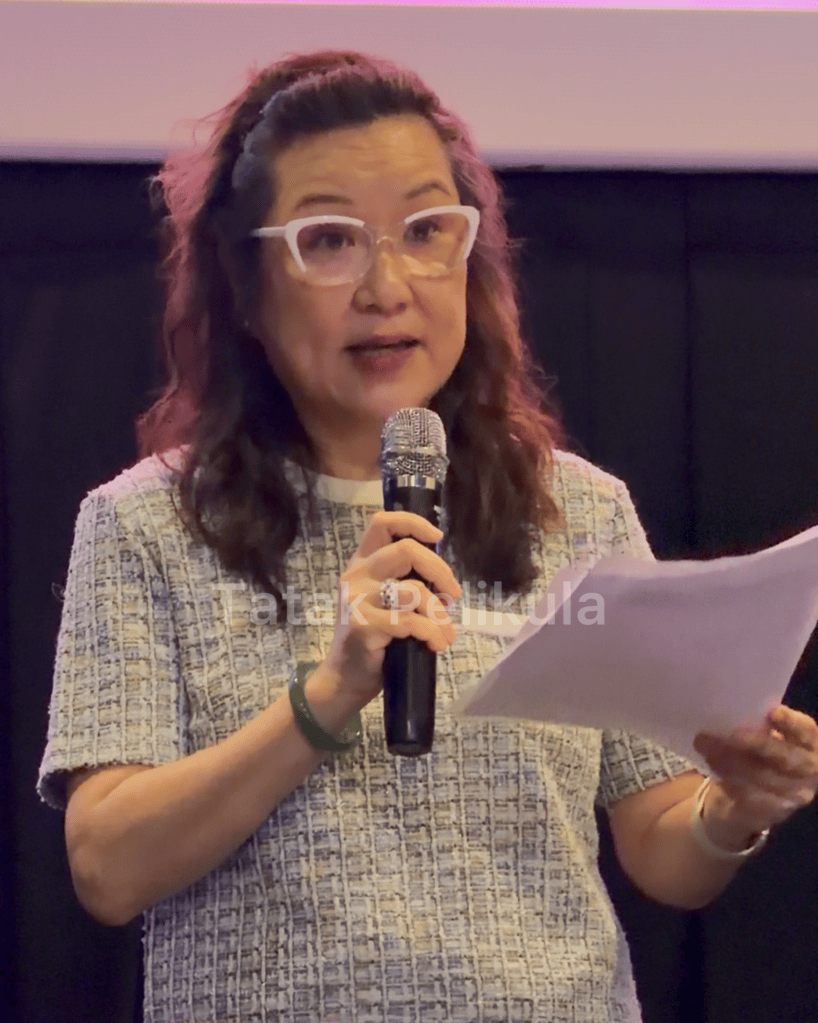
“You have probably seen Al-generated content online. Some of it is amazing. Some of it is funny. Some of it is strange. And some of it is so repetitive or meaningless that people have given it a name: “Al slop,” Hwang shared during the special screening of the movie on August 31 in Quezon City.
“So when people hear that Plump Blossom is an Al-assisted animated feature, I understand the skepticism. But I believe there is a difference between generating content and telling a story,” she continued.
Hwang said that difference can be seen in the story and characters of Plump Blossom. While AI was used to help create the film, she stressed that the decisions behind the story came from the people who made it.
“Al did not decide to tell the story of Ruo Huaa plump, food-loving princess who would rather sneak into the palace kitchen than behave like a proper princess. It did not decide whom she would love, what she would fight for, or what she would ultimately be willing to sacrifice,” Hwang said.
“Those were human choices,” she added.
For Hwang, those human choices are what make filmmaking more than simply creating images. She explained that a movie requires many decisions, from the story and screenplay to the characters, dialogue, performances, music, animation, editing, and direction.
She said AI was used as one of the tools to help turn those decisions into a finished film. Hwang also sees this technology as a possible way for Filipino filmmakers to create bigger and more ambitious stories without needing the same resources available to major Hollywood productions.
Hwang said, “A movie is made from thousands of creative decisions the story, screenplay, characters, dialogue, performances, music, animation, editing and direction. Al became one of the tools we used to help bring those decisions to the screen. And I think that is particularly exciting for Filipino filmmakers.“
“We don’t all have the resources of Hollywood. Independent filmmakers cannot always afford enormous sets, hundreds of animators or huge visual-effects teams. New technology can give Filipino storytellers the opportunity to create worlds and tell stories that might previously have been beyond our reach… But cheaper and more powerful technology does not automatically create better movies,” she emphasized.
At the same time, Hwang said AI alone will not determine whether a movie is good. As more people gain access to the same tools, she believes the ideas and experiences of the people behind the film will remain important.
She said filmmakers will still need imagination, personal taste, experience, culture, humor, and something meaningful to say. For Hwang, AI can assist the creative process, but it should not replace the person telling the story.
“If everyone eventually has access to the same Al tools, then what will distinguish one creator from another will still be imagination, taste, experience, culture, humor-and having something worth saying,” Hwang highligthed.
“Al can help us create. But creators must remain the creators,” she added.
With the criticism surrounding Plump Blossom, Hwang said she is not asking audiences to overlook the film’s flaws simply because AI was used. Instead, she wants viewers to watch the movie, think about what they see, and form their own opinions.
She is inviting audiences to judge Plump Blossom as a movie and decide for themselves what they think of its story and the way it was made.
“So I am not asking you to excuse Plump Blossom because it used Al. And I’m not asking you to ignore its imperfections. I simply invite you to watch and experience it as a movie, Hwang shared.
“Watch it. Question it. And decide for yourself. Because Al may help us create the images. But the human being must still have a story worth telling,” she continued.
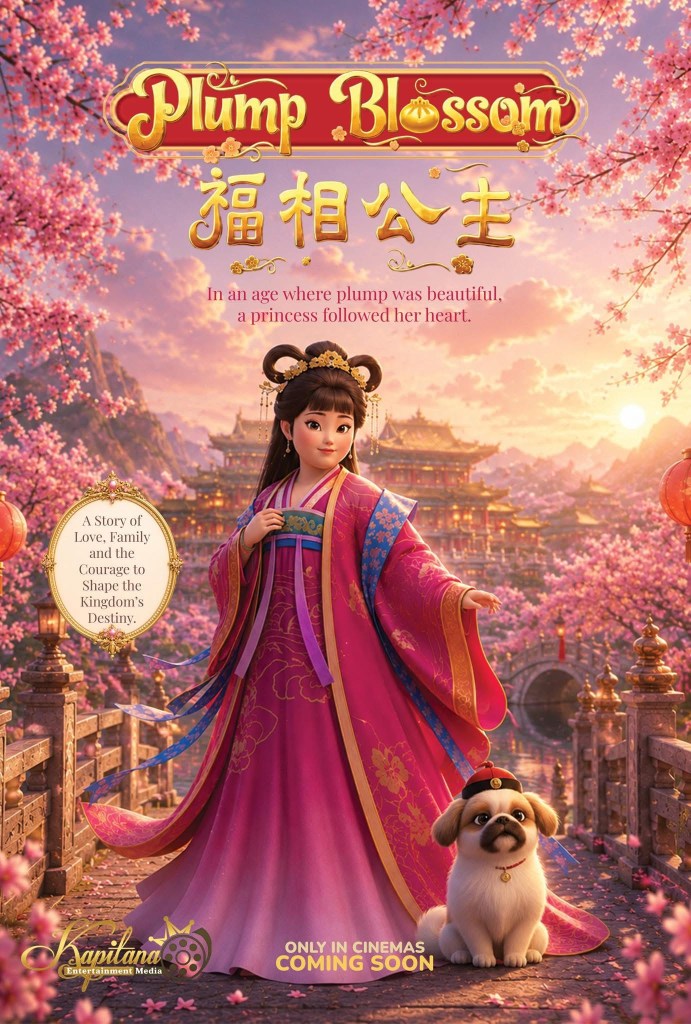
Set in a fictional dynasty inspired by the ancient Tang Dynasty, Plump Blossom follows a food-loving princess who disguises herself as a palace maid to pursue her passion for cooking. After discovering a wounded young general hiding in the palace, she secretly cares for him, and the two develop an unexpected bond. When war threatens the kingdom, she must choose between her royal life and protecting her family, kingdom, and the man she loves.
The 85-minute, G-rated animated musical blends romance, comedy, adventure, food, Chinese-inspired elements, and original music.
Plump Blossom opens in Philippine cinemas on September 23 from Kapitana Entertainment Media.


Leave a Reply